Welcome to our used car market research for Fayette AL. This page helps local shoppers understand pricing, availability, and ownership costs so you can choose a vehicle with confidence. We analyze recent listings, sold data, mileage bands, feature packages, and seasonality in and around Fayette. You will find guidance on how to compare trims, estimate fair offers, and recognize reconditioning value that may not appear in a simple price filter. We also outline factors unique to small town Alabama markets, including rural driving patterns, truck and SUV demand, and model year sweet spots that hold value in Fayette County. If you are early in your search, explore our tips to align budget, total cost of ownership, and realistic expectations. If you are ready to narrow your options, review our checklists and links to inventory, purchasing resources, and regional market research across Alabama.
Use this page to benchmark fair prices in Fayette, learn which models sell fastest, and see how mileage and condition change value. Then compare live options in used inventory and browse insights in our blog and car buying guides. You can also view recently sold inventory to understand true turn times and typical sale ranges in similar vehicles.
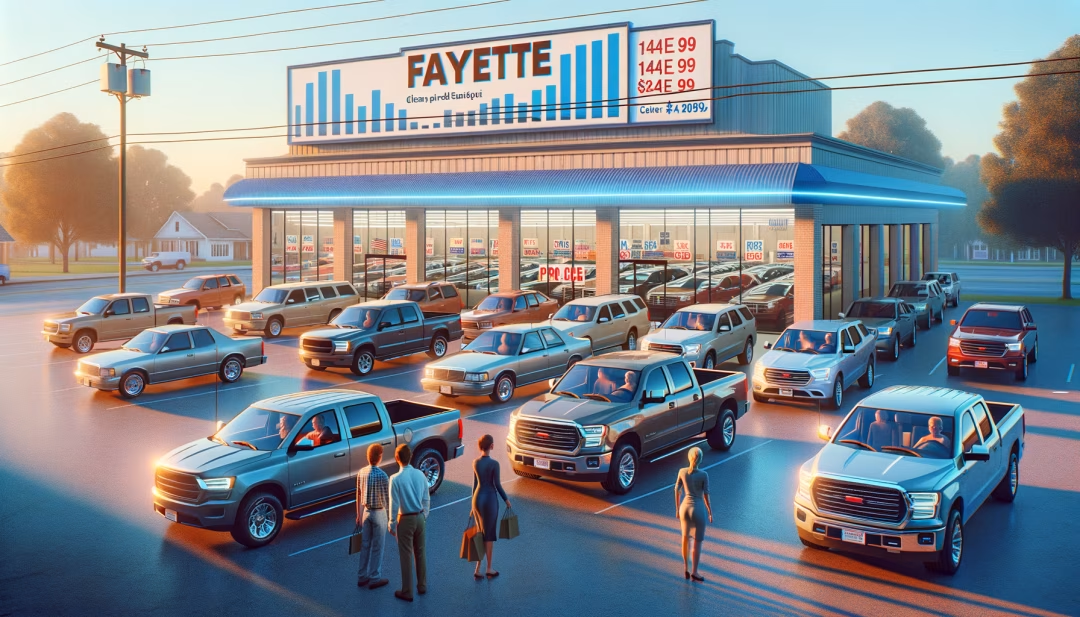
The Fayette AL used car market favors practical vehicles that handle daily commuting, rural routes, and weekend hauling. Full size trucks, midsize pickups, and crossovers typically lead demand, followed by reliable sedans for budget minded buyers. Local pricing often reflects regional preferences, fuel price trends, and seasonal inventory cycles. For example, trucks with tow packages and off road features can command a premium during spring and early summer when outdoor projects and travel pick up. Sedans and compact SUVs may see relatively stronger value in late fall and winter as shoppers seek dependable commuter vehicles before holiday travel.
Inventory diversity in small markets varies week to week, so patience and preparation matter. The best strategy is to build a short list of target models and trims, track a few examples, and compare against recently sold vehicles. Cross referencing with nearby Alabama counties can help you validate whether an asking price in Fayette aligns with regional medians. Our related market research pages for counties like Tuscaloosa, Lamar, Walker, and Marion provide extra context to refine estimates and timing.
Start by identifying a budget range that includes taxes, title, and potential immediate maintenance such as tires or an alignment. Next, list two or three models that fit your driving needs. Review recent sales to learn what realistic asking prices look like for the same trim and mileage. If a vehicle is reconditioned with new tires, brakes, or battery, note that these items can shift fair value upward since you will avoid near term maintenance costs.
Mileage and model year do not always tell the full story. Interstate miles in rural Alabama can be less stressful on vehicles than urban stop and go driving. A truck with 110,000 highway miles and documented services may present lower risk than a similar truck with 75,000 mixed miles but no records. In Fayette, buyers often prize mechanical soundness, rust free underbodies, and strong maintenance history. When you evaluate options, line up the following considerations.
Pricing and selection move with the calendar. Spring often brings more trucks and SUVs to market as owners upgrade before summer projects and travel. Late summer and early fall can be strong for sedans and commuter friendly crossovers as families finalize school routines. Year end can provide opportunities when dealers adjust portfolios for tax planning and audits. Monitor the rotation of similar vehicles in our used inventory and compare with our sold inventory to estimate how quickly certain trims move in Fayette.
Cross market comparisons add context and negotiating power. A truck that is rare in Fayette may be more common in Tuscaloosa or Walker, which can affect list prices and turn times. Use the county level market research pages below to spot broader patterns, then apply that insight locally. Consistent gaps of a few hundred dollars are normal due to reconditioning and model mix. Large gaps can indicate differences in condition, history, or equipment levels. When in doubt, verify the service records and inspection details before making price conclusions.
Reconditioning creates real value that should be part of the fair price discussion. A set of new tires, fresh brake components, up to date fluids, and a modern battery can shift expected expenses away from the first year of ownership. When you evaluate two vehicles with similar mileage but very different reconditioning reports, consider the long term cost difference. Ask for a checklist or summary of shop work and review the most recent inspection notes. Look for supporting invoices or parts lists when possible. This information helps you decide whether a slightly higher price is justified by lower risk and fewer near term costs.
Financing approvals depend on model year, mileage, loan to value, and credit profile. Some lenders have mileage caps or require certain book values. If you plan to finance, test your budget with a conservative interest rate and a modest down payment. That approach keeps you within comfortable monthly ranges even if terms shift during underwriting. For learning resources across Alabama, explore second chance and county financing pages to understand how different markets and programs handle approvals and down payments.
A smart plan pairs the purchase price with a realistic ownership budget. Tally insurance, expected fuel use, local taxes and registration, and a maintenance reserve. For trucks and SUVs, include tires as a periodic cost since larger sizes can be more expensive. If a vehicle shows brand specific service intervals, account for those in the first two years of ownership. This approach helps you determine a total monthly cost that aligns with your goals and reduces surprises after purchase.